From 20 years of stuttering to being called "a great communicator"
I stuttered from age 4 to 24 — dodging phone calls, swapping words mid-sentence, and scanning every room for who might hear me block. Then, after months of digging out the real cause and working on it deliberately, I spoke for seven minutes straight without a single stutter. Here is exactly what changed — and exactly what I did.
Pierre Roberge — recovered stutterer, author, and speech-freedom coach. Quebec, Canada.

If you stutter, you already know this

You can speak perfectly when you're alone. You don't stutter when you sing. Some days the words just flow — and you have no idea why. So if your vocal cords were truly broken, how could any of that be possible?
Here's what your days actually look like:
I lived every one of those for two decades. The exhausting part isn't the stutter — it's the constant scanning, hiding, and bracing. That's the part I want to take off your shoulders.
My story
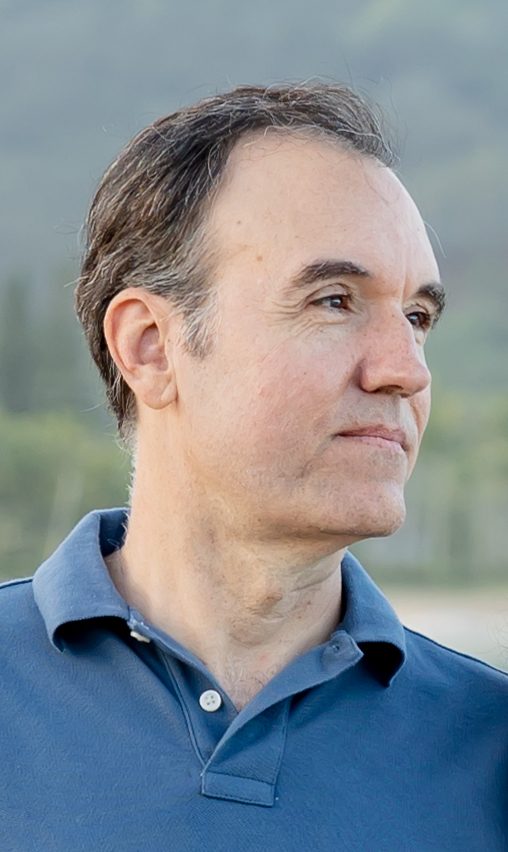
For twenty years, stuttering quietly ran my life. It stopped me from making friends, from approaching the people I liked, from applying for the jobs I actually wanted. I became a computer programmer partly because programmers can sit at a desk and not have to talk.
I didn't take it lying down. I read more than a hundred psychology books. I paid a hypnotherapist $80 a session. I took an NLP course. I tried breathing techniques, foot-tapping rhythms, a brain-wave machine, even catharsis therapy three times a week. Some helped a little. None of them fixed it — because none of them answered the only question that mattered: why was I stuttering in the first place?
At 24, stuck in a job I hated, I quit and gave myself three months to fix myself. The breakthrough didn't come from a clinic and it wasn't magic. I researched the problem myself until I found the root cause — fear, and the over-control it creates — then devised my own exercises to change what my mind believed about speaking. Months of deliberate work later, I could prove to my own brain, beyond argument, that I could speak. That is when it let go.
It honestly feels like I've lived two lives: one as a stutterer, and one as a fluent person. I'm sharing all of this so you can cross over too.
My approach
Not a gimmick, not a lifelong "management plan." Once you understand what's really happening, you can stop fighting your own voice.
Stuttering is driven by the fear of what people think. The fear makes you doubt your voice — and the doubt is what locks it up. Remove the fear and the speech runs free.
Speaking, like walking, is meant to be automatic — run by your subconscious. When you consciously try to control it, you disrupt it. That disruption is the block, the repeat, the stretched-out vowel.
The fix is to give your brain undeniable proof that you can speak — until it stops bracing for trouble and hands speech back to autopilot. That's the whole game.
Lay a wide plank on the ground and you'll walk it easily. Lift that same plank ten stories into the air and your walk turns shaky and jerky — even though nothing about the plank changed. Only the fear of falling did. Stuttering works exactly the same way: the equipment is fine, but fear hijacks an automatic skill. My work is about bringing the plank back down to the ground.
In their words
"Before I met Pierre, I had difficulty speaking. I constantly felt that I couldn't say the right things. Pierre really helped me and my speech. I now have more confidence and a better state of mind. I'm still learning and growing, improving day by day. Thank you, Pierre!"
Where to begin
Read the full story and the method behind it, or go straight to the recorded session that walks you into it — hands-free.
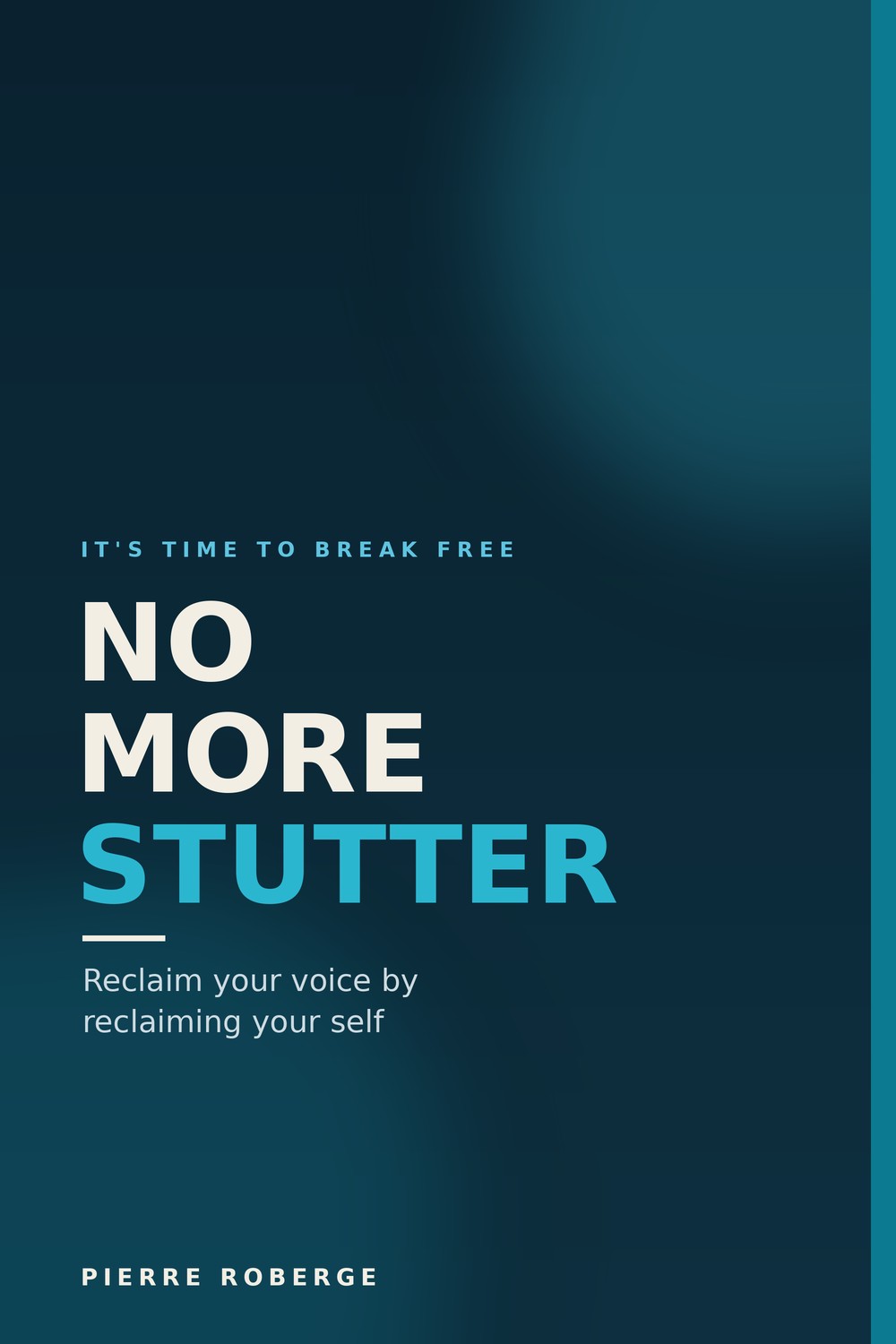
My complete story — every dead end I tried and the breakthrough that finally ended 20 years of stuttering — plus the simple practice you can start this week, without speech therapy or fluency gadgets.

A guided session that relaxes your vocal cords and speaks directly to the part of your mind that's been bracing — so your speech can run on autopilot again. Just press play, without breathing drills or controlling every word.
Private · I take only a handful of clients at a time
1:1 Coaching · the fastest path
The book gives you the understanding. The session helps you let go. But nothing moves faster than having someone who has lived this watching your specific patterns — hearing exactly where fear grabs the wheel — and handing you proof, in the moment, that your voice already works.
Questions
I'm living proof it can end completely. Start with the story, or start with the session — either way, you start today.